Aviation, from the
ground up
- Flight School
- Charter Flights
- Maintenance
- Hangar Space
- Avionics
- Aircraft Rentals
Welcome to Revv Aviation
Revv Aviation is made up of a growing group of long-established, successful family aviation businesses. We offer the complete range of aviation services – from flight lessons (whether as a hobby or as training to become a professional pilot), to plane maintenance and servicing (from small planes to corporate jets), or if you are simply looking for a better way to travel as our charter planes can fly you anywhere in the US at your leisure and on your schedule.
We are professional and passionate aviators, with small-town values and friendliness. Our goal is to bring private aviation to more people and to bring the wonder of flight to all.
Start Your Journey
Aviation Services
Let us be your wingman
At Revv, most of us dreamed of flying before we could ride a bike. Expect safety above all else, a full suite of aviation services, FBO hubs that are welcoming and comfortable, and a commitment to excellence for all your flight missions.
Charter
Awaken the wonder inside
Reimagine how life gets done. Business and personal charter travel saves hours, stress and, sometimes, even money. Experience ease of travel. Make meetings personal. And take the family dog with you! Amazing experiences start from your community airport.
Flight School
Learn to soar higher
Aiming to be a career pilot or work in the amazing field of aviation? From pilot training to aircraft maintenance, you can achieve it with Revv by your side. Join 3000+ graduates across our FBO hubs.
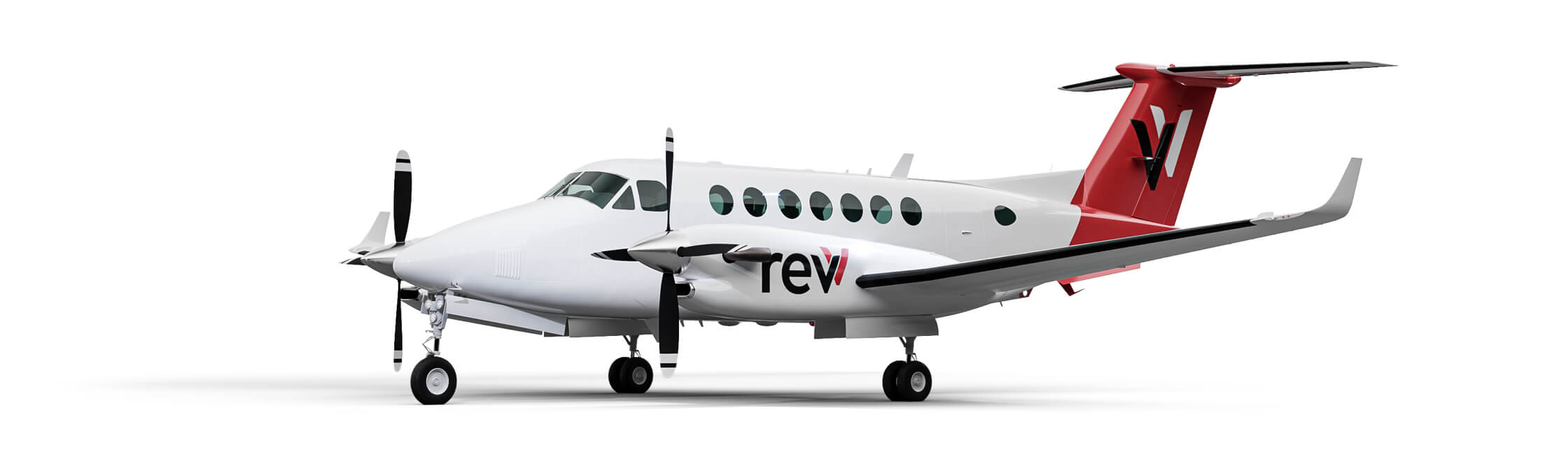
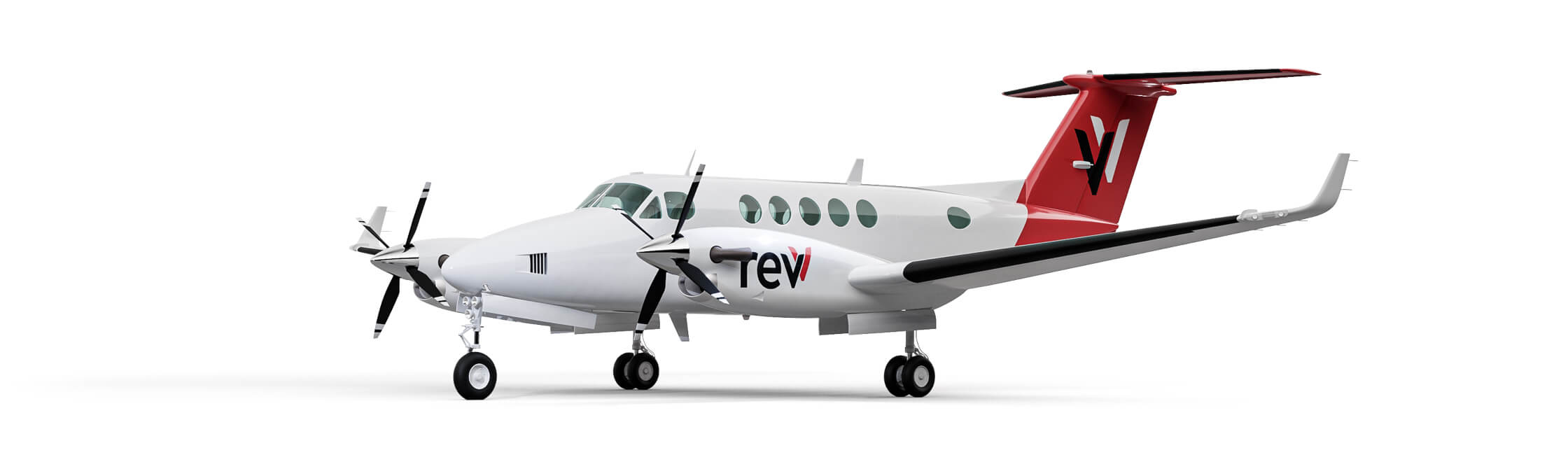
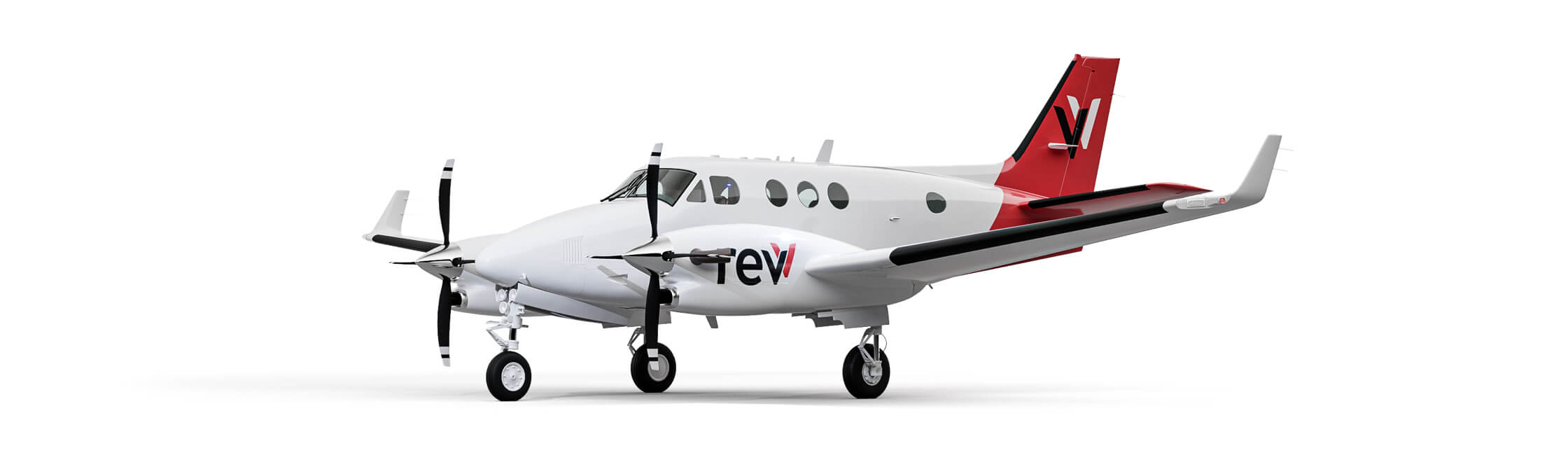
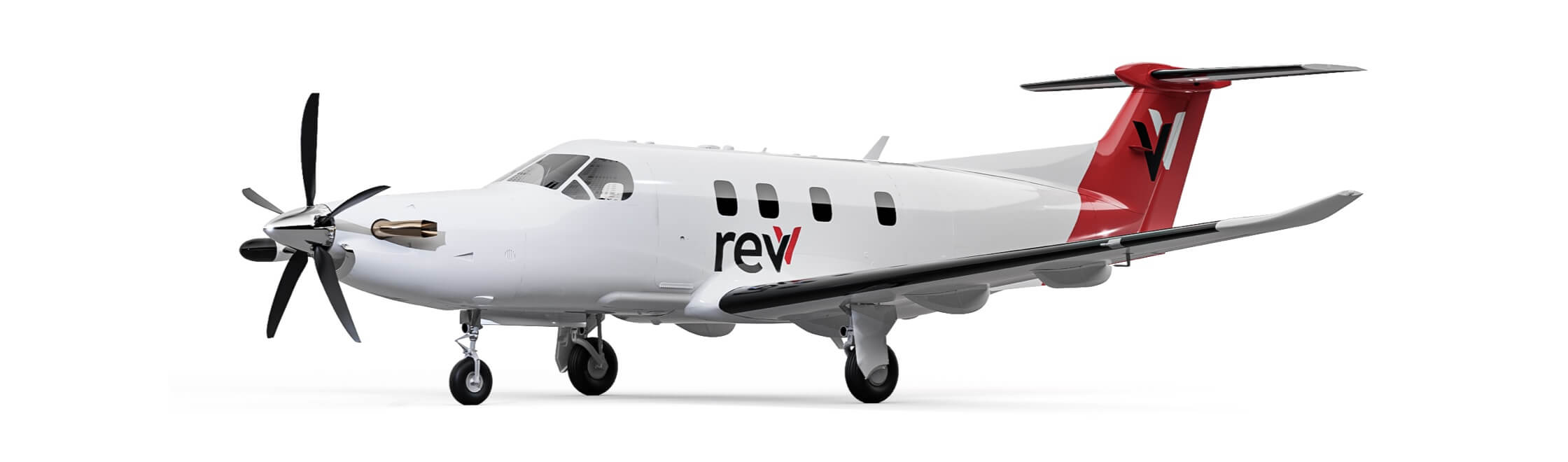
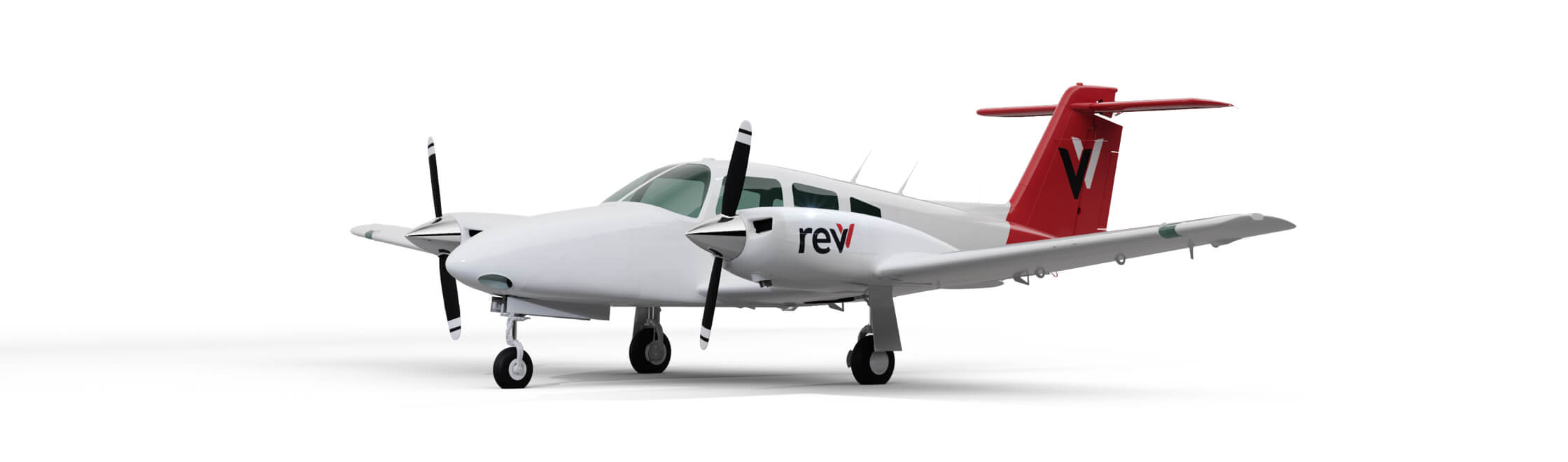
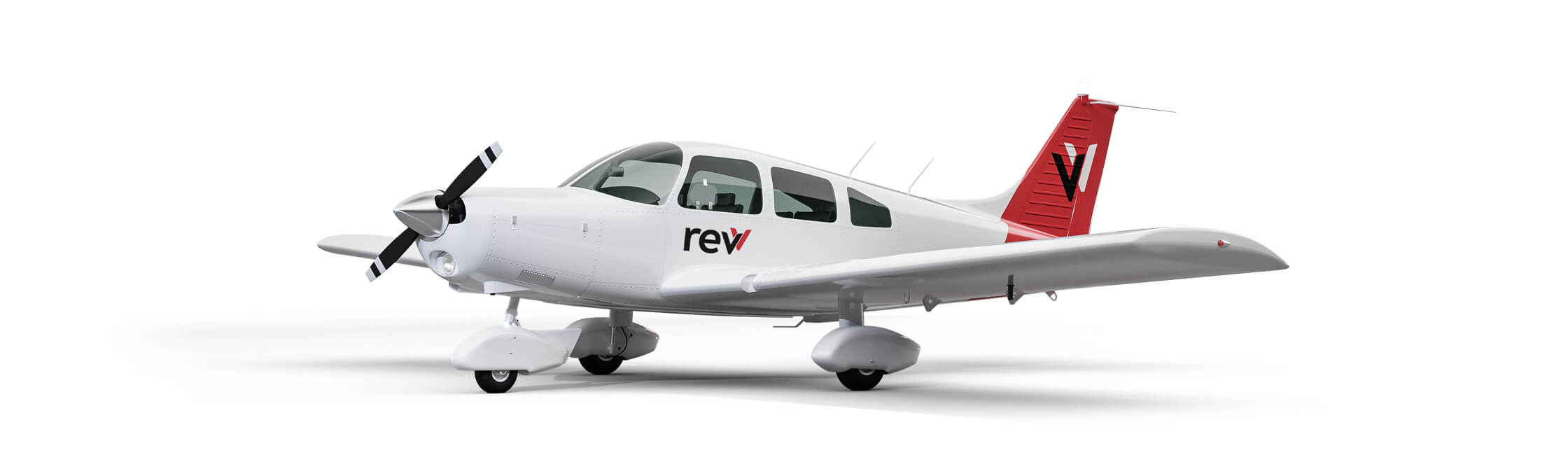
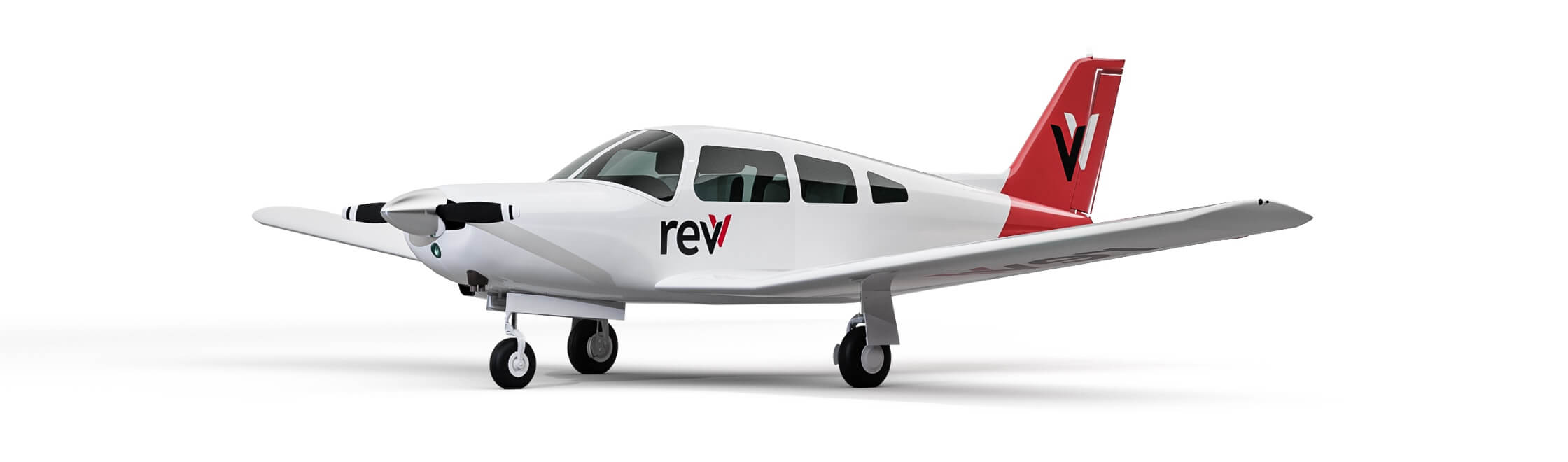
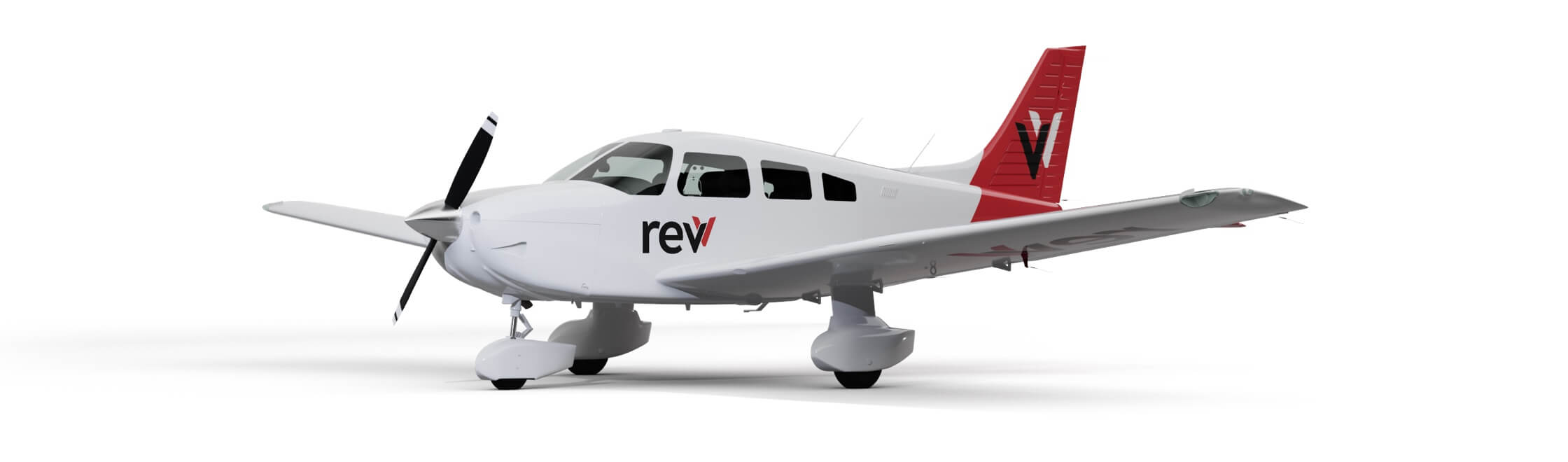
Meet our Fleet
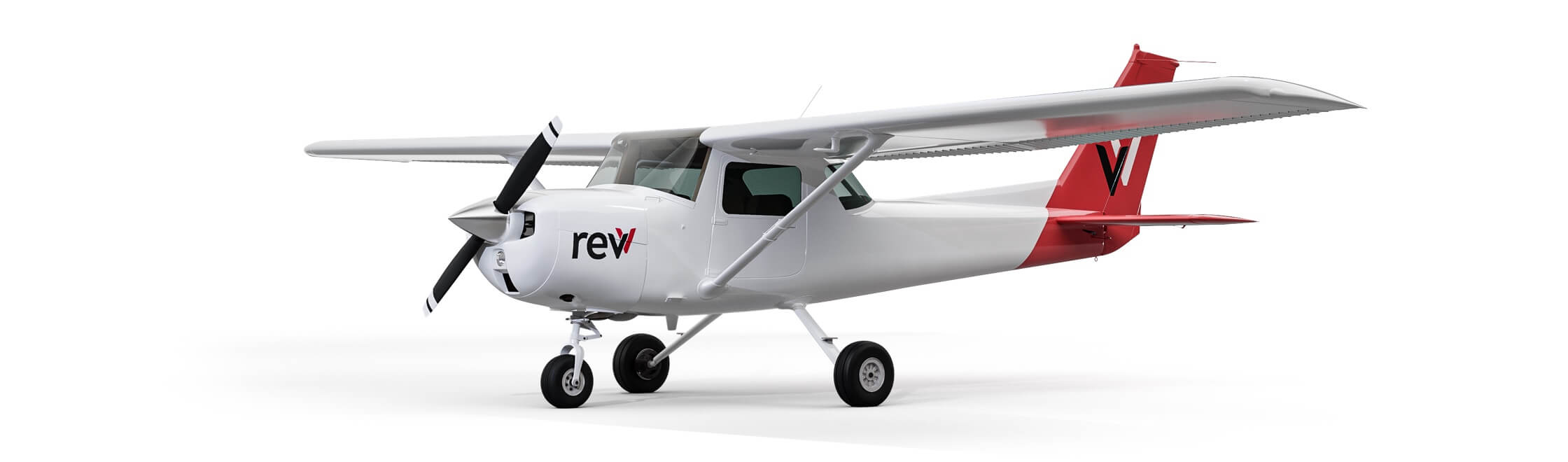
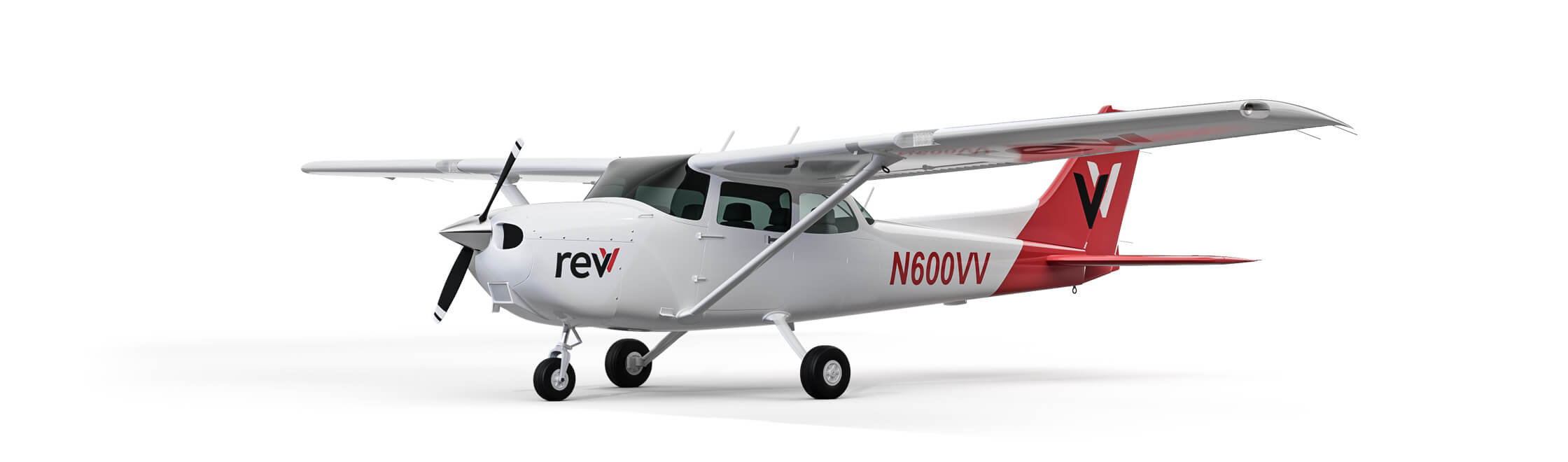
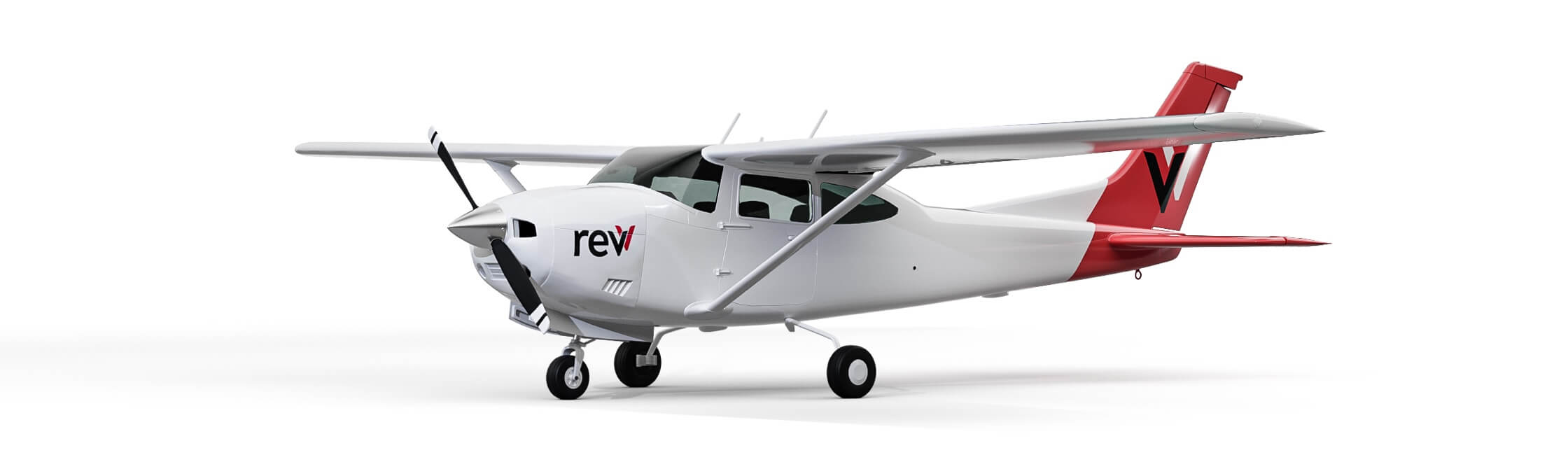
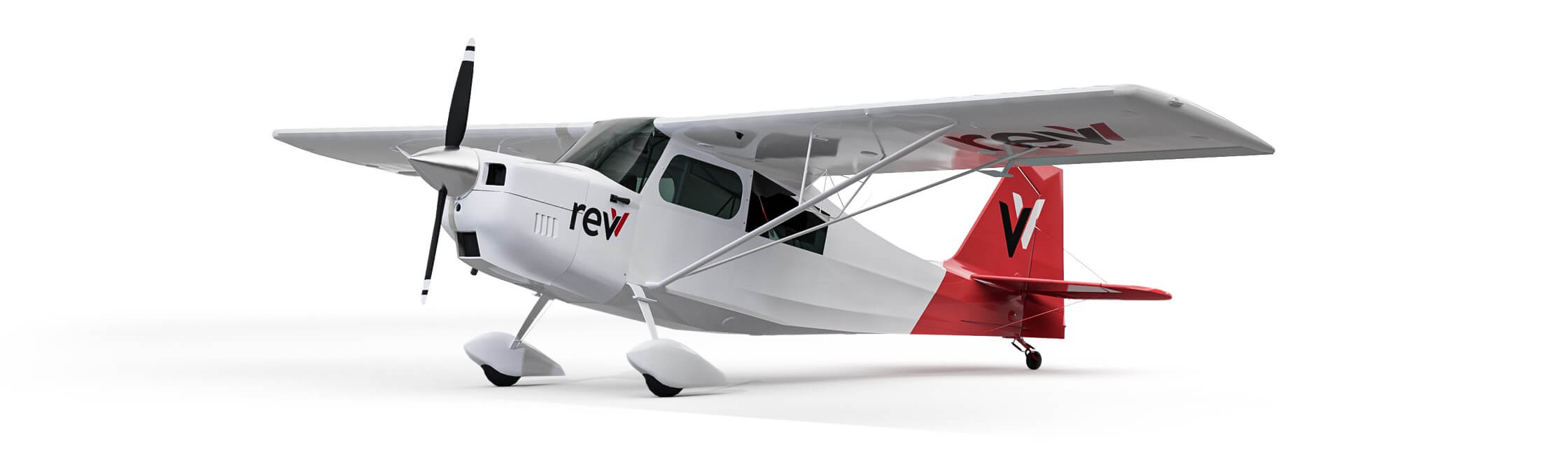
From modern training planes to executive turboprops and jets, our comprehensive fleet of aircraft can meet your specific personal needs. Celebrate real freedom.
Ready to soar to new heights?
Contact Us